Best Value Bundles

Best of Pork Box
20 lb avg
Pork Breakfast Favorites
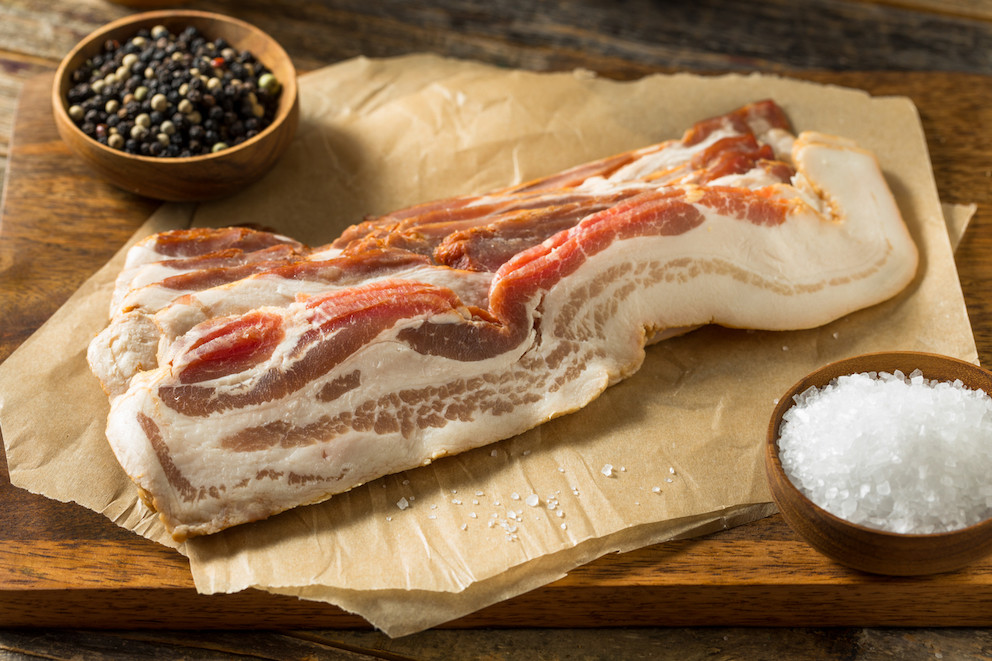
No-nitrate Pork Bacon
1 lb pkg

Maple Breakfast Pork Sausage Links
avg wt 1.2 lbs

Pork Breakfast Sausage Patties
Avg wt 1 lb

No-nitrate Pork Bacon Ends
avg wt 1 lb
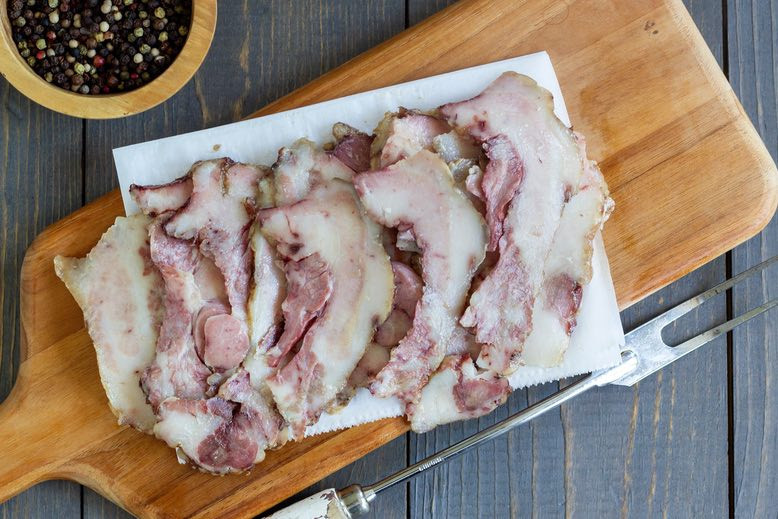
No-nitrate Pork Jowl Bacon
Avg wt 1 lb
Pork Lunch & Dinner Favorites

Bone-In Pork Chops
avg wt 1.25 lb
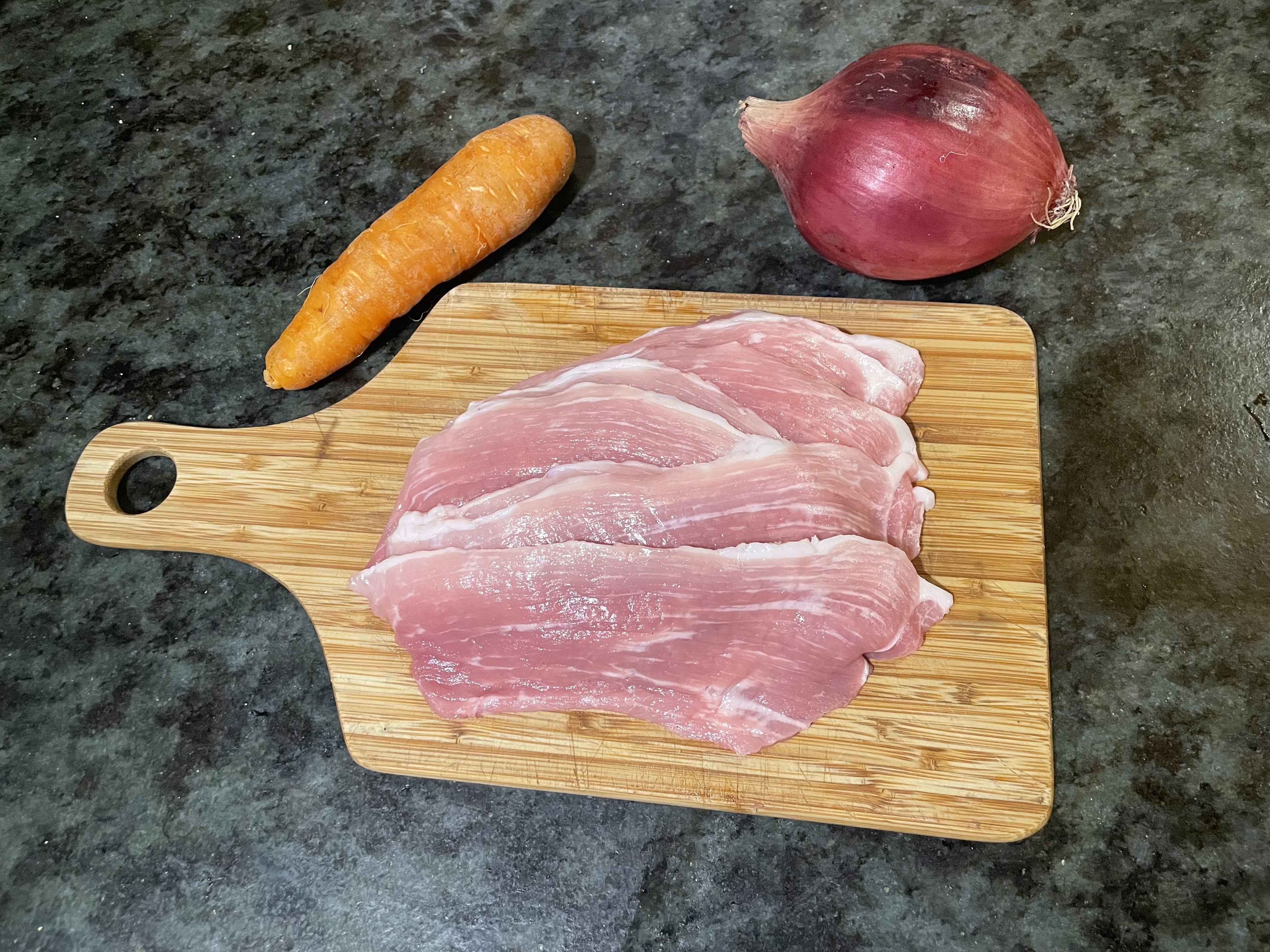
Shaved Pork
1 lb pkg

Pork Fresh Ham Steak
avg wt 2.5 lb

Pork Boneless Chops
avg wt .8 lb

Pork Sirloin Cutlets
1lb / pkg
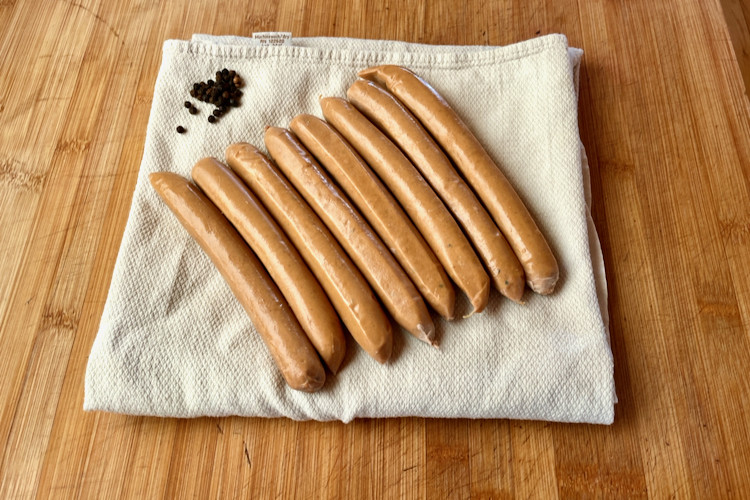
Pork Hot Dogs
8 links | 1 lb pkg
Pork for the Slow Cooker & Oven

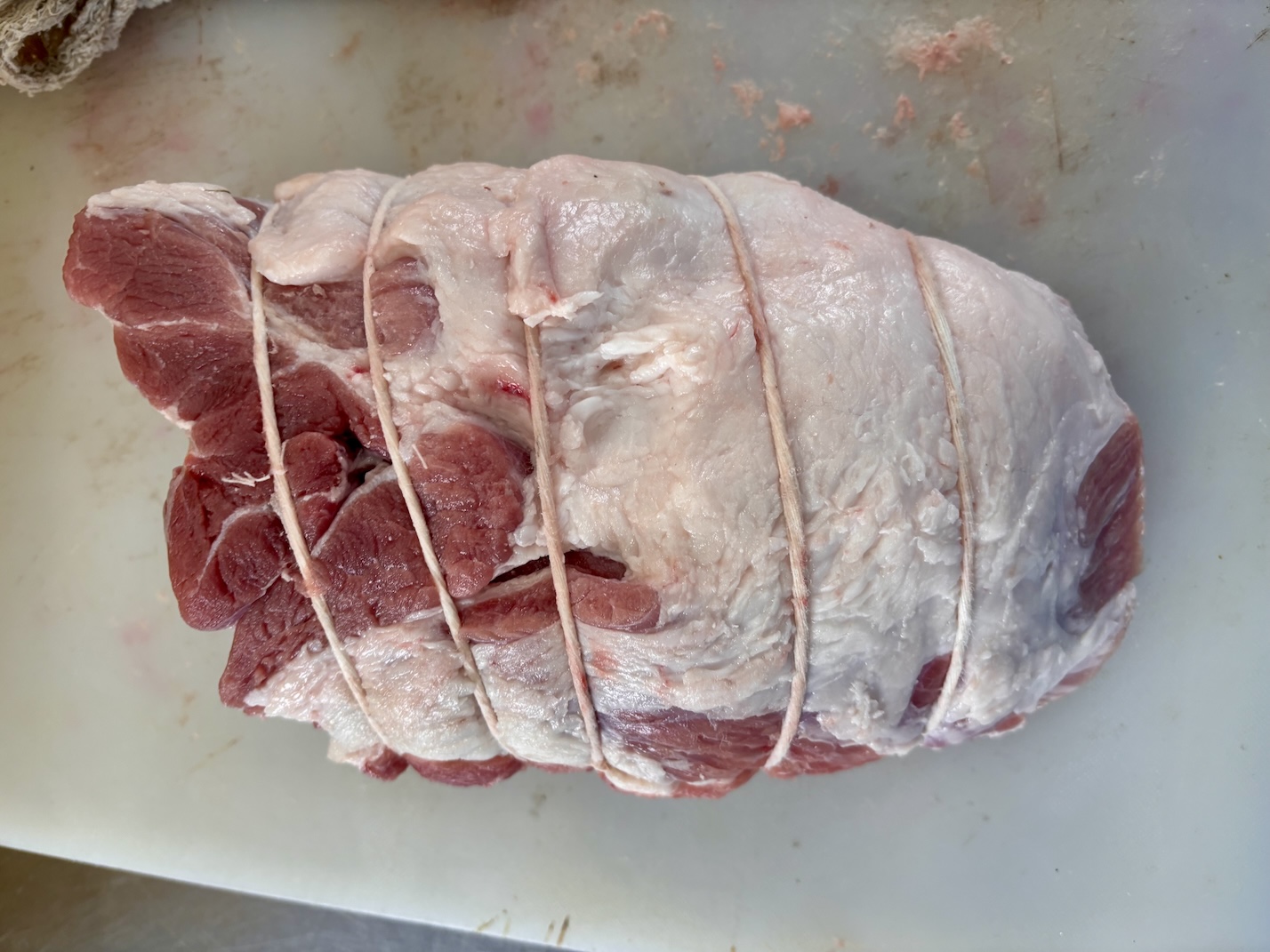
Pork Fresh Boneless Shoulder Roast (large)
Avg wt 4-6 lbs
Pork Fresh Ham Roast
Avg weight 3.5-4 lb
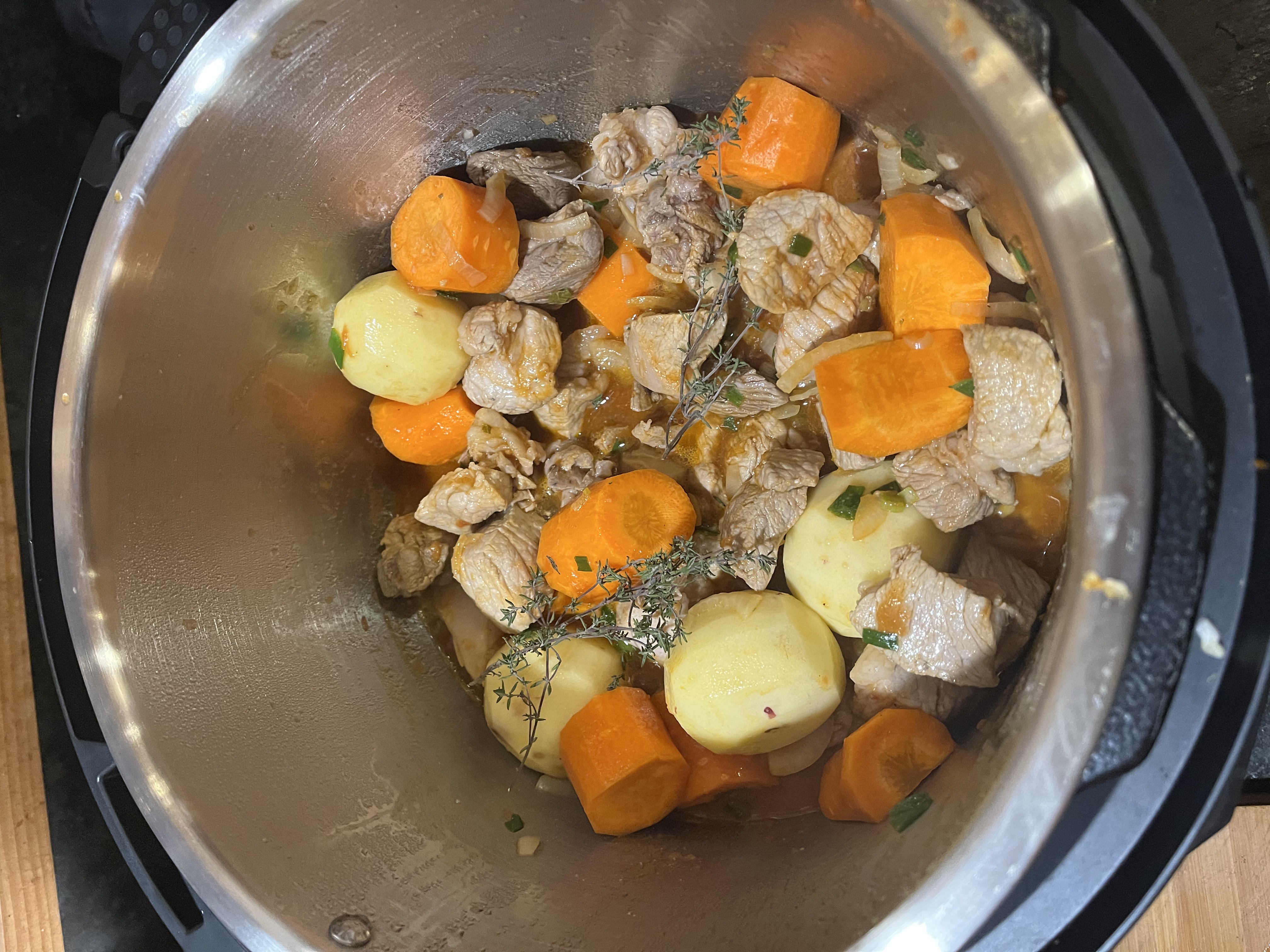
Pork Stew Meat
Avg wt 1lb
Pork Fresh Boneless Shoulder Roast
Avg wt 3-4 lbs
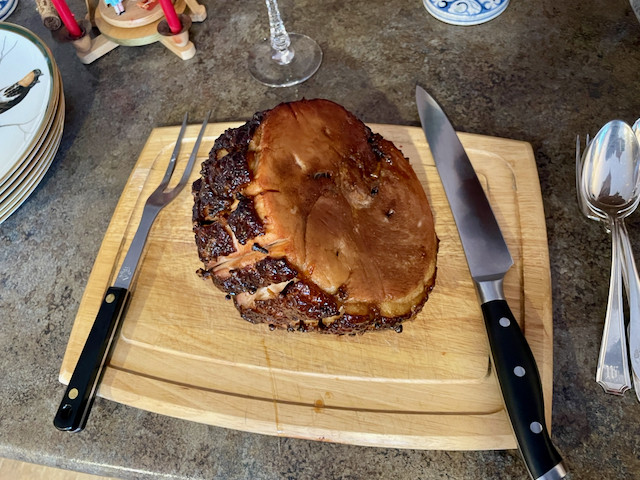
No-Nitrate Smoked Pork Ham Roast
Avg weight 4-5 lb
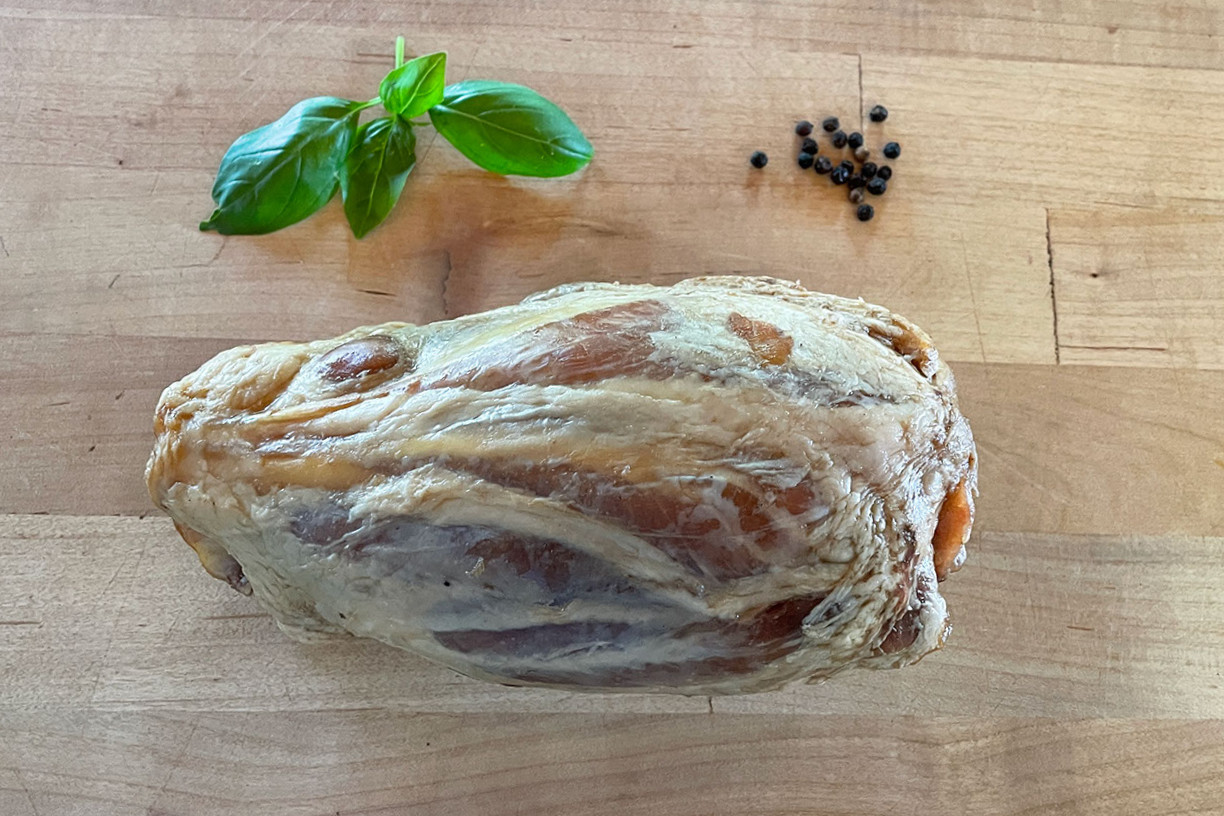
Pork No-nitrate Smoked Ham Hock
Avg weight 1.5 lb
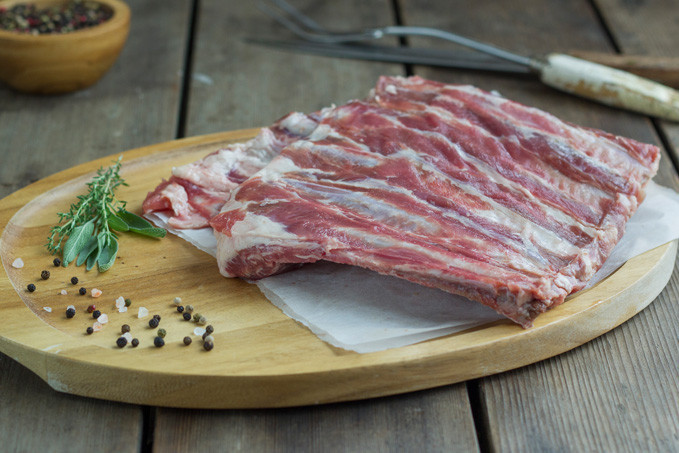
Pork Ribs St. Louis Style
Avg wt 2 lbs
Broth & Soup Making

Pork No-nitrate Smoked Ham Hock
Avg weight 1.5 lb
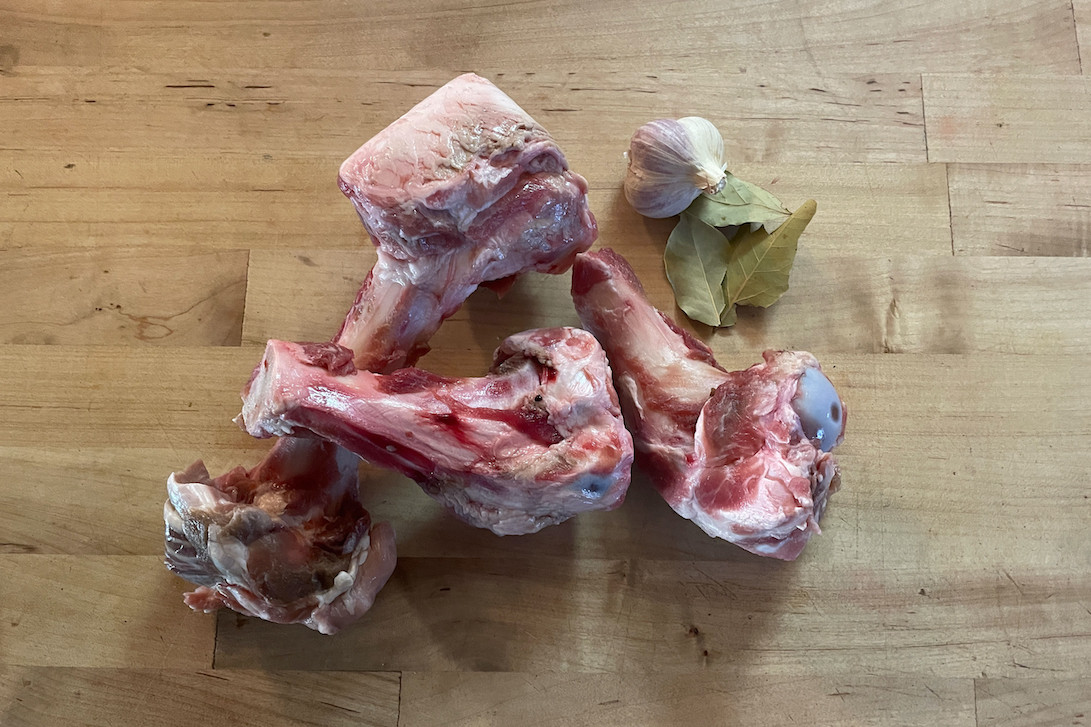
Pork Bones
avg wt 2 lb

Pastured Pork Tail
1 tail!

Pork Neck Bones
avg wt 2 lb
Pork Organs & More!
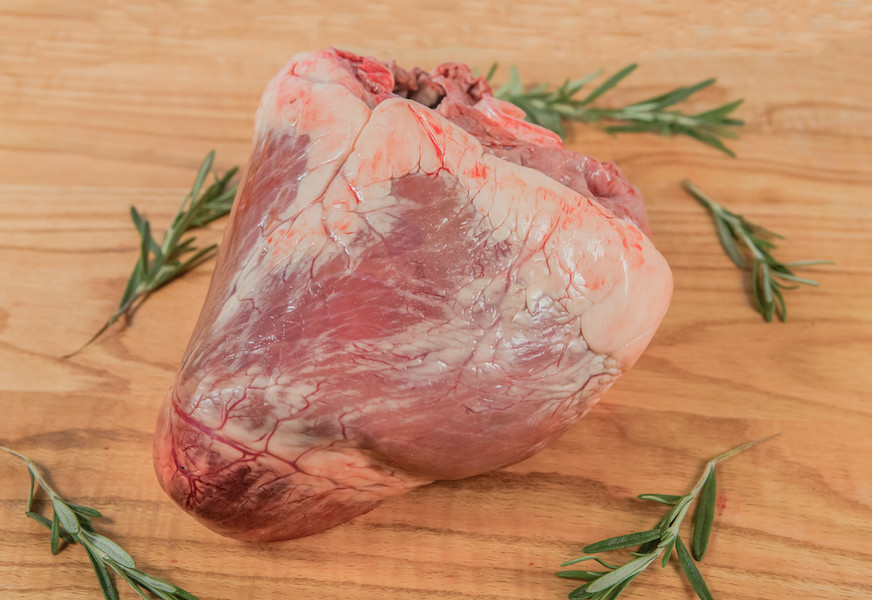

Pork Tongue, bulk
2 lb pkg
![Pork Kidney [bulk]](https://storage.googleapis.com/grazecart-images-prod/images/1d7cab63-923a-4348-b119-3d485c53c4dd.jpeg)
Pork Kidney [bulk]
2.5 lb pkg

Pork Liver
avg wt 1.25 lb

Pork Tongue
avg wt 0.5 lb
![Pork Back Fat [Slab]](https://storage.googleapis.com/grazecart-images-prod/images/cb0af3a9-5318-44c5-853d-9d2e8ddaaa09.jpeg)
Pork Back Fat [Slab]
Avg wt 1.25 lb


Pork Caul Fat
Avg wt .5 lb
We love our pigs and our pork, but don't just take our word for it.
Here's what our customers are saying about Reber Rock Pork
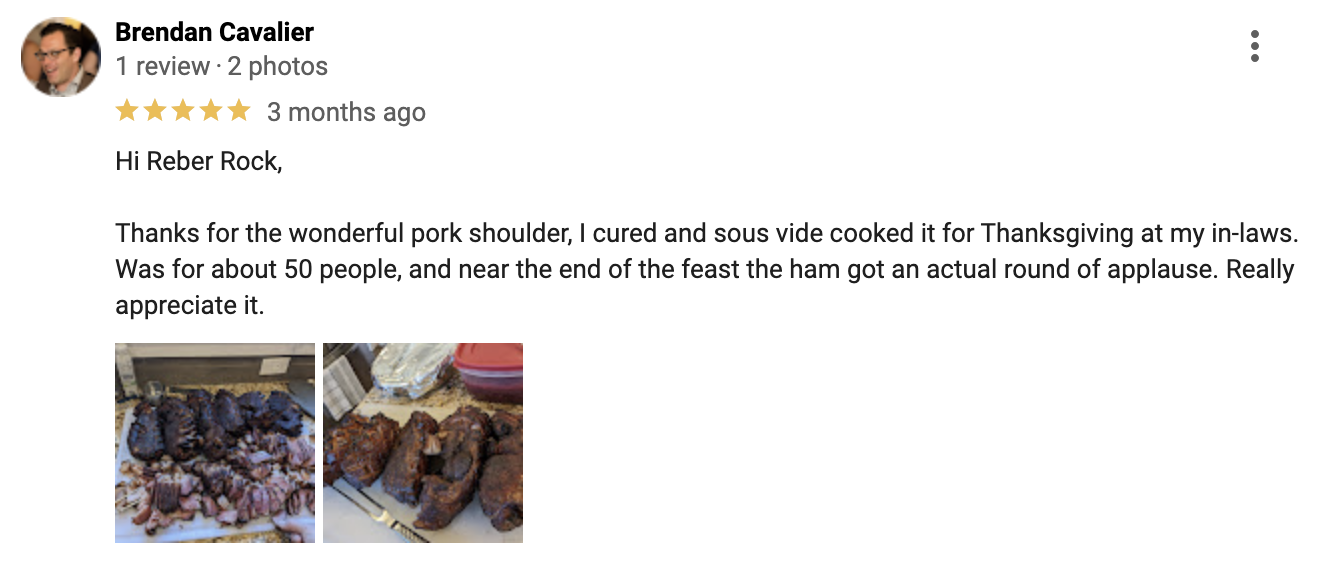
Why Pasture-Raised Pork?

- Did you know that dirt is one of the best pro-biotics for a pig? That's why our pigs live their lives outside. During the harshest winter months here in the Adirondacks, they have access to an open barn where they have dry hay to play in and make pig piles. All other months of the year we move them frequently through our pastures.
- Sunshine, fresh pasture and dirt make the best disease prevention. We believe in cultivating health in our animals, not treating disease.
- Pigs on pasture is good for the pasture! Pigs stimulate growth of different species, disrupt parasite cycles for poultry and cattle, and they fertilize as they go 😉.
Why Organic Matters?

- Growing food takes teamwork. We believe in considering the impact of all the pieces of the puzzle, this means improving the soils on our farm AND the farms that grow the grain we feed our pigs (and chickens!). Not to mention other things like our packaging (cardboard based, recyclable/compostable) and delivery vehicle (go electric:).
- Reber Rock pigs are fed organic grain from birth, their mama's have their piglets on pasture as well and they are never given any antibiotics, hormones or drugs (like Paylean to promote lean muscle growth...yup that's a thing).
New in 2026! 🎊

These may look like ordinary pig butts, don't be fooled. This is the future of Reber Rock Farm's Pasture Raised Organic Pig adventure. For the last 13 years we have always purchased piglets from other producers. We have never been able to purchase organic piglets.
For any pig to be certified organic, and for the meat to be called "organic" the piglet must be born to a mama who is organic (or under a one time transition period). The closest we've gotten to organic pork was purchasing piglets from our friend in Vermont who fed organic grain to the mama sows after they gave birth.
In 2025 we purchased 12 sows and 2 boars to start our breeding herd of pigs. I spend almost a year researching pig breeding, sow farrowing ease (farrowing is the pig word for giving birth to piglets) and pork yields, flavor and quality. Turns out there are so many choices!
I knew I was on to something when I first spoke with Wade Hendrix, who breeds Duroc and Berkshire pigs at his farm in Indiana. Wade is a self proclaimed "pig nerd" and he loves talking about pigs. I asked him so many questions about breeding, sow health, carcass quality and more and he patiently and enthusiastically shared his opinions and knowledge.
At this point in my search I realized that one of the primary traits I was looking for in a breeder and breeding stock was easy, sometimes called "no intervention" farrowing. Wade was clear that his goal was to breed sows who were good mothers, and capable of giving birth and taking care of their own young.
When I first started my search I assumed that most breeders would select for the mothers who take care of their piglets. However, farmers are a funny bunch and modern farming has pushed pig production in a different direction.

Most large pig operations breed sows to have as many piglets as possible, often over 20 piglets! After the mama pig gives birth she is usually confined to what is called a farrowing crate. Above is a picture from a friends farm who uses farrowing crates. He swears by them, the keep the sow from laying down on her piglets and crushing them.
I've also come to believe that all creatures, humans and pigs alike, are incredibly adaptive. Most pigs have been bred for many generations to favor more piglets and rely on physical barriers to keep the piglets safe.
We are choosing a different direction, and Wade was clear: he is breeding his sows to have the mothering instincts to give birth and care for their young on their own.
Racey and I are excited to see what spring will bring and how our new mamas will do. For now we'll just have to wait.
What does this mean for the future?
In the spring, starting at the beginning of April, our sows will give birth to the first piglets born on this farm for more than a generation. These piglets will be certified organic, which means they are never given antibiotics, hormones and such. It also means that they are fed Organic grain, which is always non-GMO.
There are a few other pieces to the organic puzzle, which get less attention like parasite management and the use of dewormers like ivermectin. Chemical dewormers are not allowed in organic production.
This means great things for the environmental systems that are affected, no antibiotics means no residue in the soil, no chemical dewormers means no devastating affects on our aquatic systems and organic grain means many acres of farmland also using organic practices.
Without these tools we, as your farmers, are also pushed to think creatively about the root cause of the symptoms these tools are designed to address. No antibiotics means we are always working to have the health and well being of the animals top of mind. If they are truly healthy, they naturally resist disease and parasites.
What happens if an animal is sick and needs antibiotics?
We will always prioritize the health and wellbeing of the animal, and sometimes this means administering antibiotics. Imagine your child who has a bad infection their health is seriously at risk. We will do what we can to help them recover and live a full life. This means we will have non-organic product from time to time, clearly labeled so you always know what you're getting.
For our organic pork to be labeled as organic we must also process the animals at an organically approved processing facility. So even one of our organic pigs will not be labeled organic. Until we have the capacity to process all the pigs here on the farm, we will have a mix of organic and organic pigs - not labeled organic.
2026 will be a new adventure. (-:
We expect piglets to arrive in April, then the first pasture raised organic pigs to be processed in the fall. We're so excited.
Come See Winter Pig Chores
Hog Harvest Sale Ends March 16th
Pasture-Raised Organic Meat
from the Adirondacks
Reber Rock Farm is a small family farm in the Adirondacks producing pasture-raised certified organic chicken, pastured organic-fed pork, 100% grass-fed beef and lamb, and maple syrup.
Shop online for home delivery, or pre-order for pick up at our farm store or one of our convenient pickup locations.

